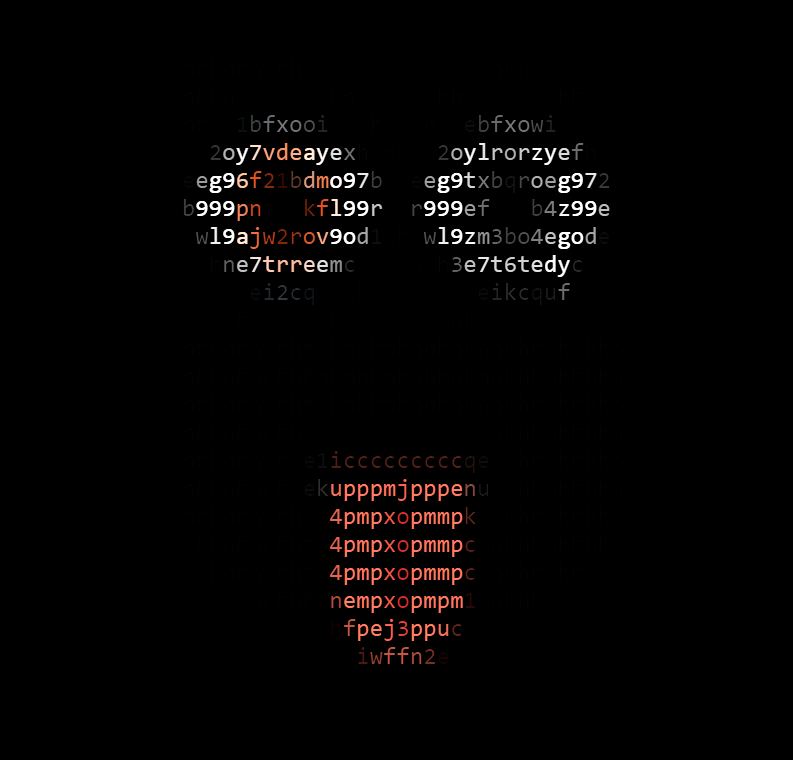
Emoji Engine
A constraint system to push meaning into motion until structure collapses into abstraction.
I investigate how generative systems reorganise when expectation collapses.
My practice began as pure exploration — a sustained generative flow that felt like access: a medium responding at the speed of thought. Over time, that curiosity evolved into a disciplined inquiry. Rather than focusing on stylistic output, I became interested in structural behaviour: what happens when systems are constrained, contradicted, or forced toward their edges.
This archive documents thresholds — moments where prediction falters and unexpected structure appears.
My earliest experiments were simple: ASCII images, emoji drawings, one-shot scripts — imperfect outputs from early models. The systems were unstable and full of visible artefacts. That instability felt alive.
I researched artists with genuine enthusiasm and generated works in styles I admired, believing imitation was admiration. It was the first time I experienced a sustained generative flow through these tools — an exhilarating period of discovery and expanded visual vocabulary.
When I understood the ethical tensions artists were raising around authorship, I stopped working that way and redirected the practice toward structure rather than style.
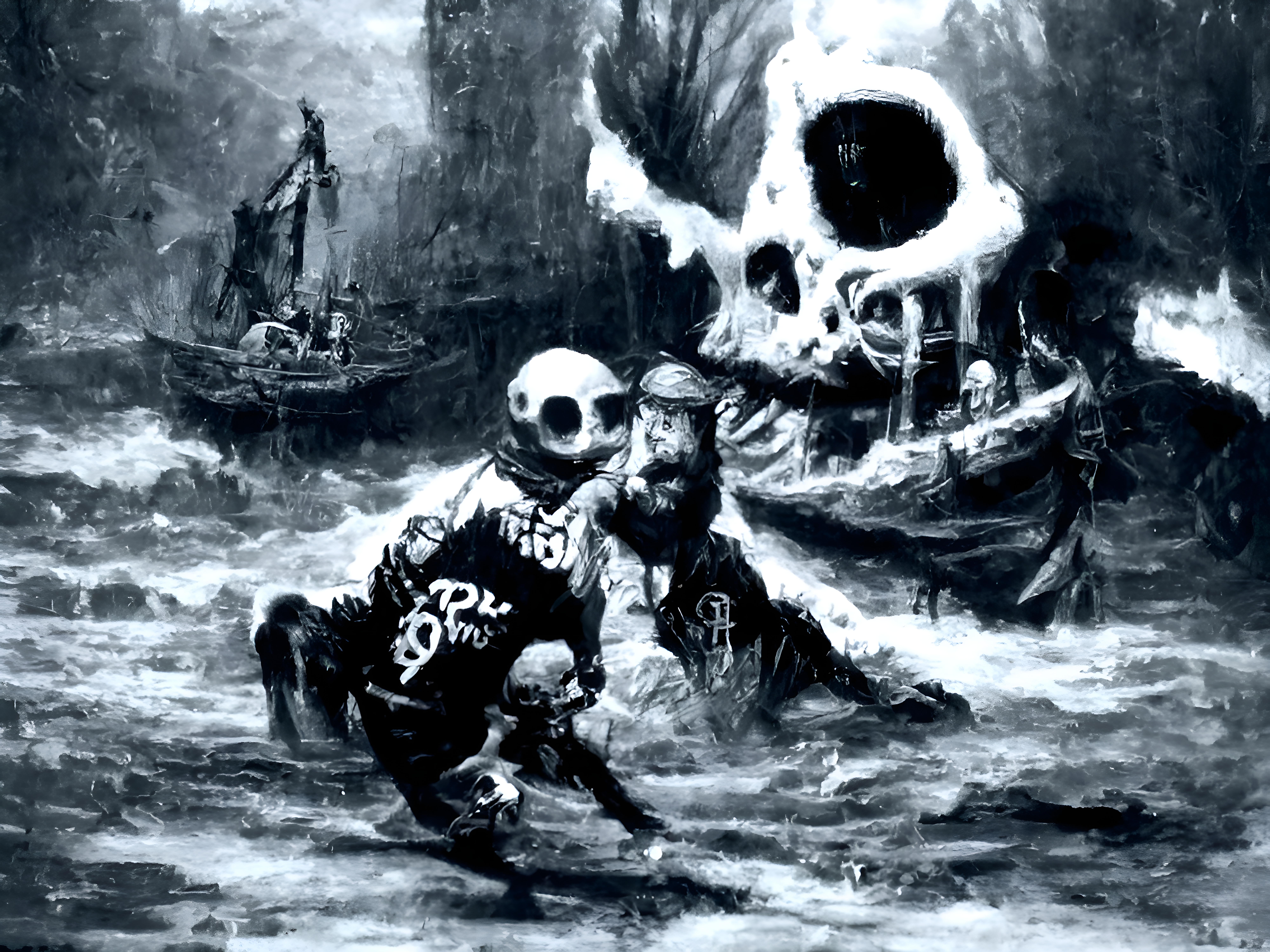
The question shifted from “what image can this make?” to “what happens when it can’t?”
A pivotal moment came from frustration. An ASCII-rendered house appeared blurred when enlarged — soft where I prefer sharpness. Blur frustrates me. It feels like missing a fleeting photographic moment because the lens wasn’t precise enough.
Instead of fixing it, I zoomed in further. The blur fractured into colour fields, textures, and unexpected landscapes. What felt like failure became structure.
That moment established the pattern that still guides my work: discomfort becomes investigation; investigation becomes form.
As models improved, they stopped failing in obvious ways. At least, not in ways I could easily see.
To continue the inquiry, I began building tools to surface subtler forms of instability. I became less interested in polish and more interested in thresholds — aware that as systems approach seamless output, early imperfections become historically meaningful.
These works still bring me joy. That matters.
A constraint system to push meaning into motion until structure collapses into abstraction.
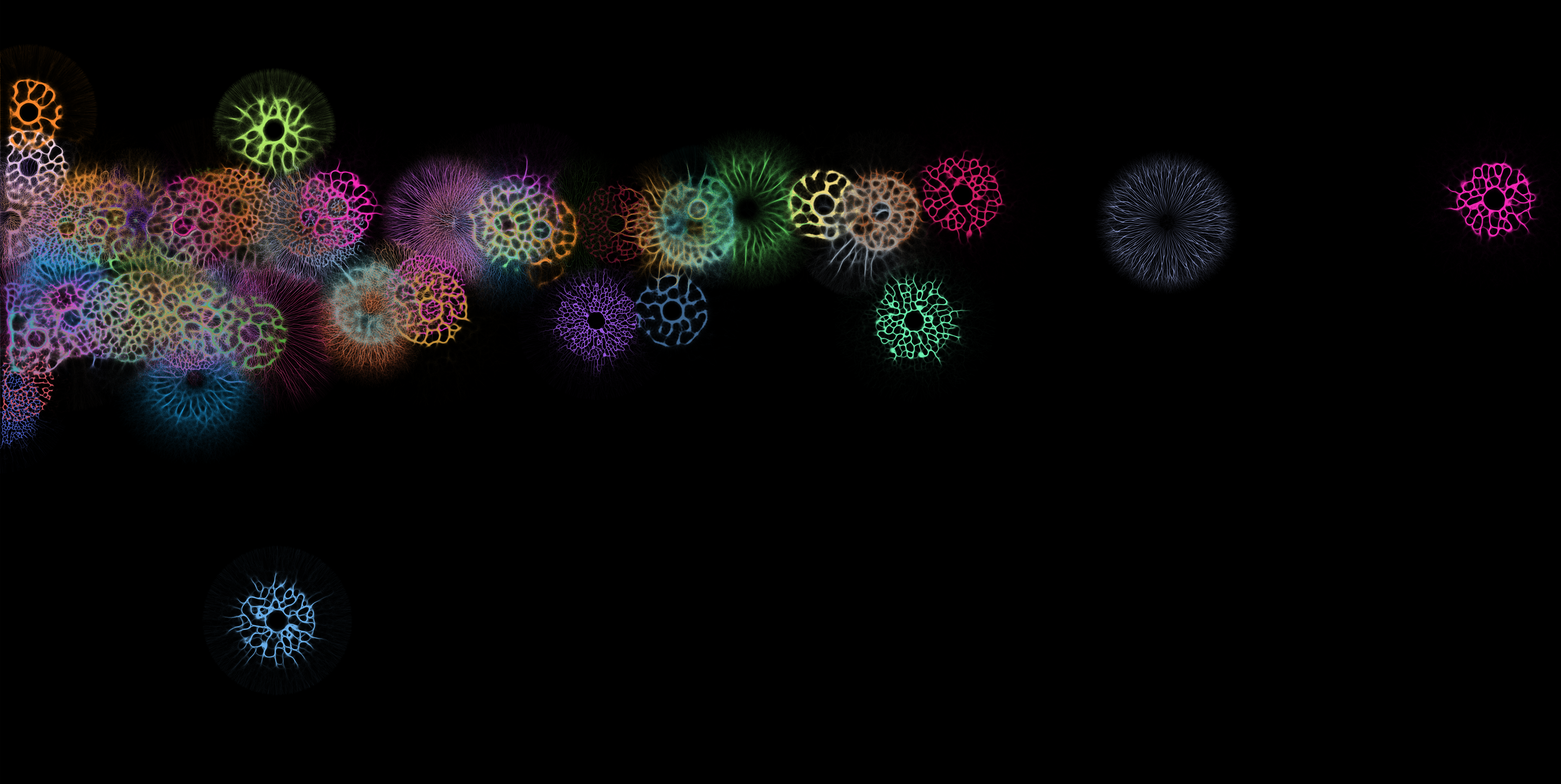
Turning computational refusal and residual error into generative artefacts.
A fully generative music video mapping the internal rhythm of a creative cycle.
Curiosity and awe remain the engine.
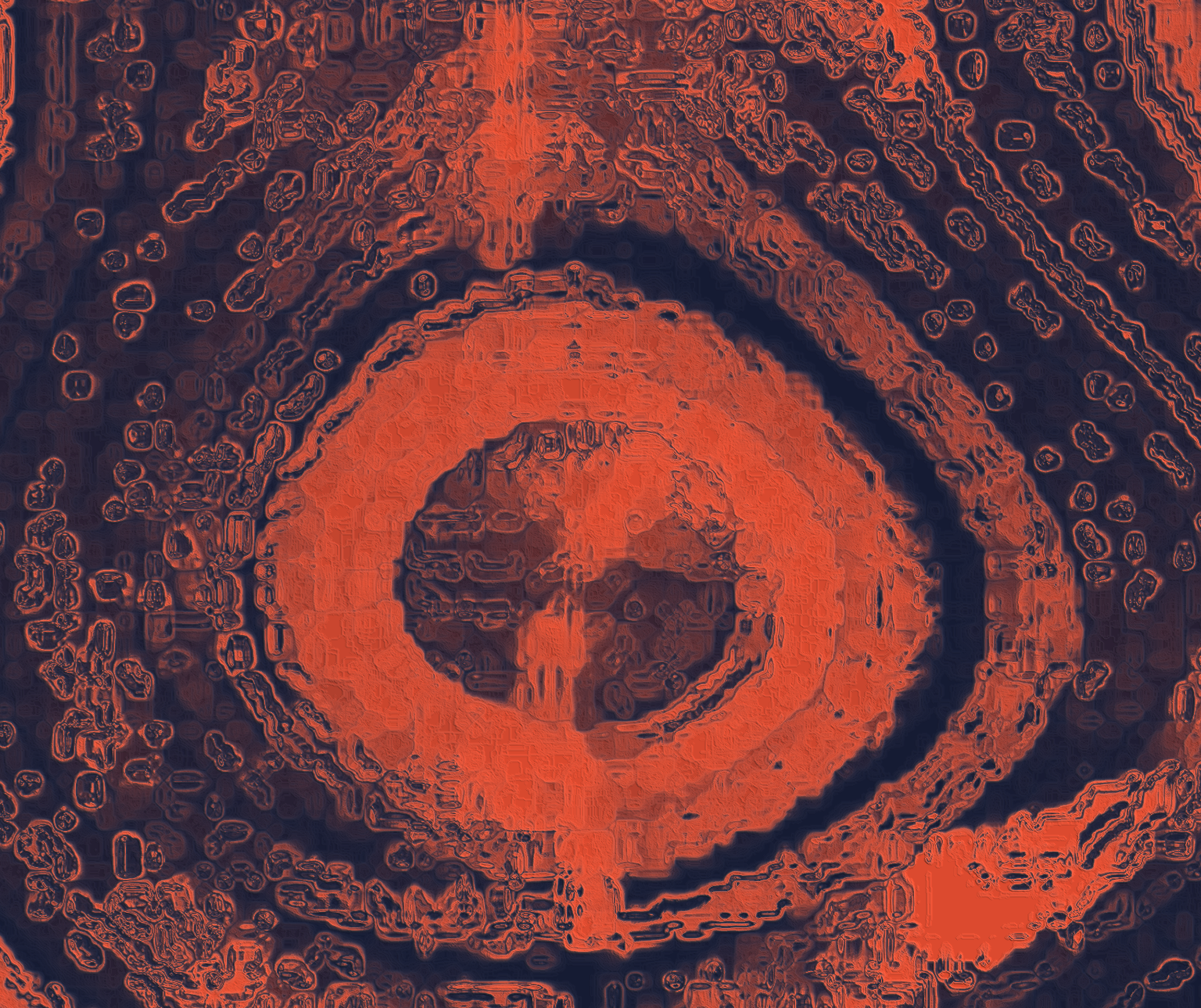
A new generation of models no longer fails in familiar ways. Previous methods of provocation stopped revealing the same edges.
As these systems increasingly shape visual culture, their seamlessness becomes persuasive — and harder to read.
That resistance intensified the inquiry. The question shifted from “can it fail?” to “how does it reorganise under constraint?”
I now introduce structured limitation and contradiction to observe emergent strategies under pressure — documenting outcomes without over-claiming what they represent. Each outcome is tested against precedent, not taken at face value.
I am not trying to prove machine originality.
I am documenting thresholds.
A threshold: where expectation collapses.